Every family says it is close. Few people stop to ask what makes it so. Closeness is not an accident of blood, and it is not a gift that some households are born with. It is built slowly, through ordinary days, and it is tested when those days stop being ordinary.
When my wife and I became seriously ill with COVID-19, our family flew in to be with us. Nobody drew up a schedule or asked who should come. They came because, over the years, we had all put something into one another that no illness could take away. That experience sits at the heart of my novel, When the World Held Its Breath, and it reinforced what I already believed: in a crisis, family becomes everything.
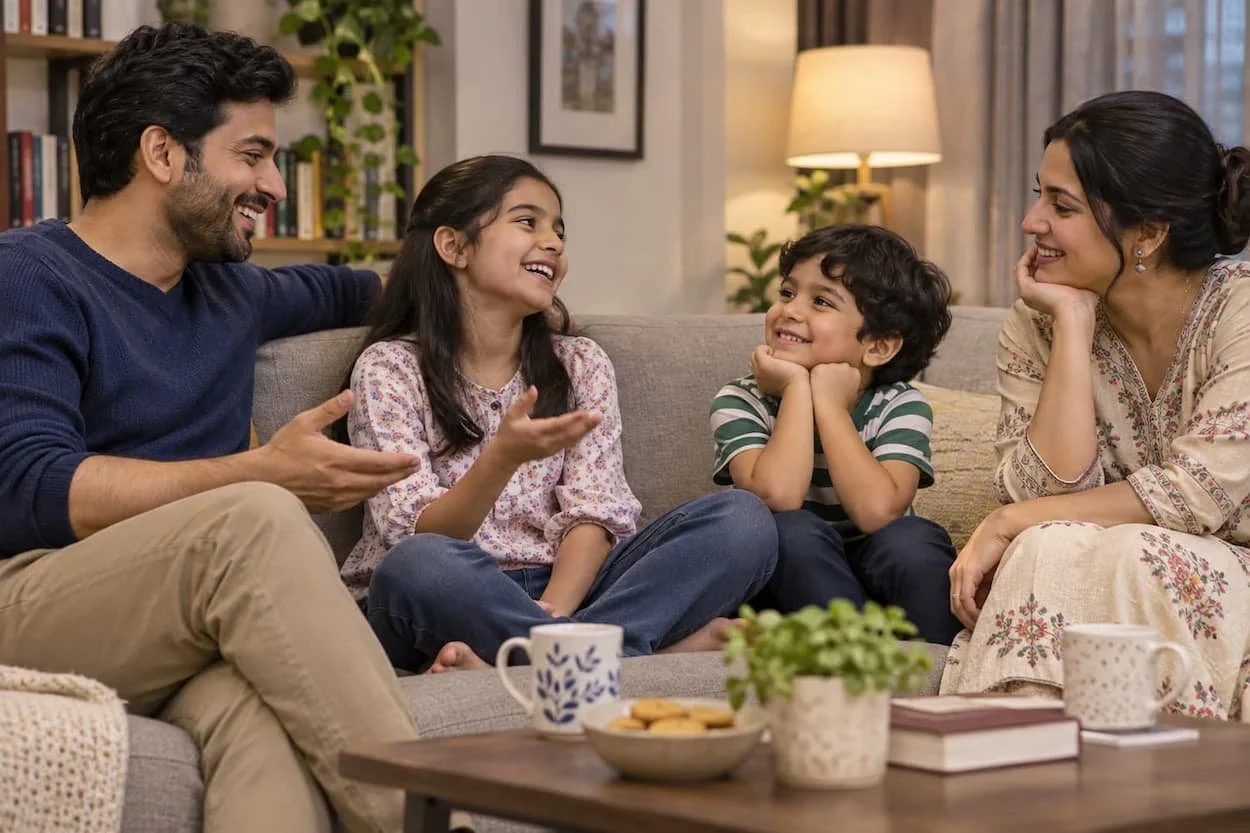
The whole family relaxing in the living room
Bonds are built on ordinary days
Strong bonds rarely come from grand gestures. They come from small things repeated: the Sunday phone call, the question “How did it go?” and waiting for the answer, the plate saved for someone who got home late. Each moment feels too small to matter. Together they tell every person in the home, “You belong here.”
Give your time and your full attention
Being in the same room is not the same as being together. Put the phones away at dinner. Look at the person who is speaking. Children remember who had time for them long after they had forgotten what they were given. Fifteen undistracted minutes a day will do more than a free afternoon spent half-listening.
Listen before you fix
When a spouse or a child brings us a problem, our instinct is to solve it, lecture on it, or compare it with our own. Often what they need first is to feel heard. Ask a question. Let silence sit. People who feel understood come back with the next problem, and the one after that, and that returning is what a bond really is.
Keep traditions and make new ones
Shared rituals give a family a story of its own: a weekly dinner, a birthday breakfast, a yearly trip, the old stories retold at every holiday table. They do not need to be elaborate. They need to be regular. Grandchildren who hear where the family came from have something steady to stand on as they grow.
Respect each person's differences
Closeness does not mean everyone thinks alike. A family can hold different opinions, careers and ways of living and still be tightly bound. What matters is that each person is welcomed as they are, not as someone else wishes them to be. People who are accepted at home are far more willing to come back to it.
Apologize quickly and forgive generously
Every family hurts itself now and then, usually without meaning to. What sets close families apart is not the absence of hurt but how fast they mend it. A sincere “I was wrong” costs a moment of pride and can save years of distance. Holding on to old grievances means a family keeps paying for an argument long after it has ended.
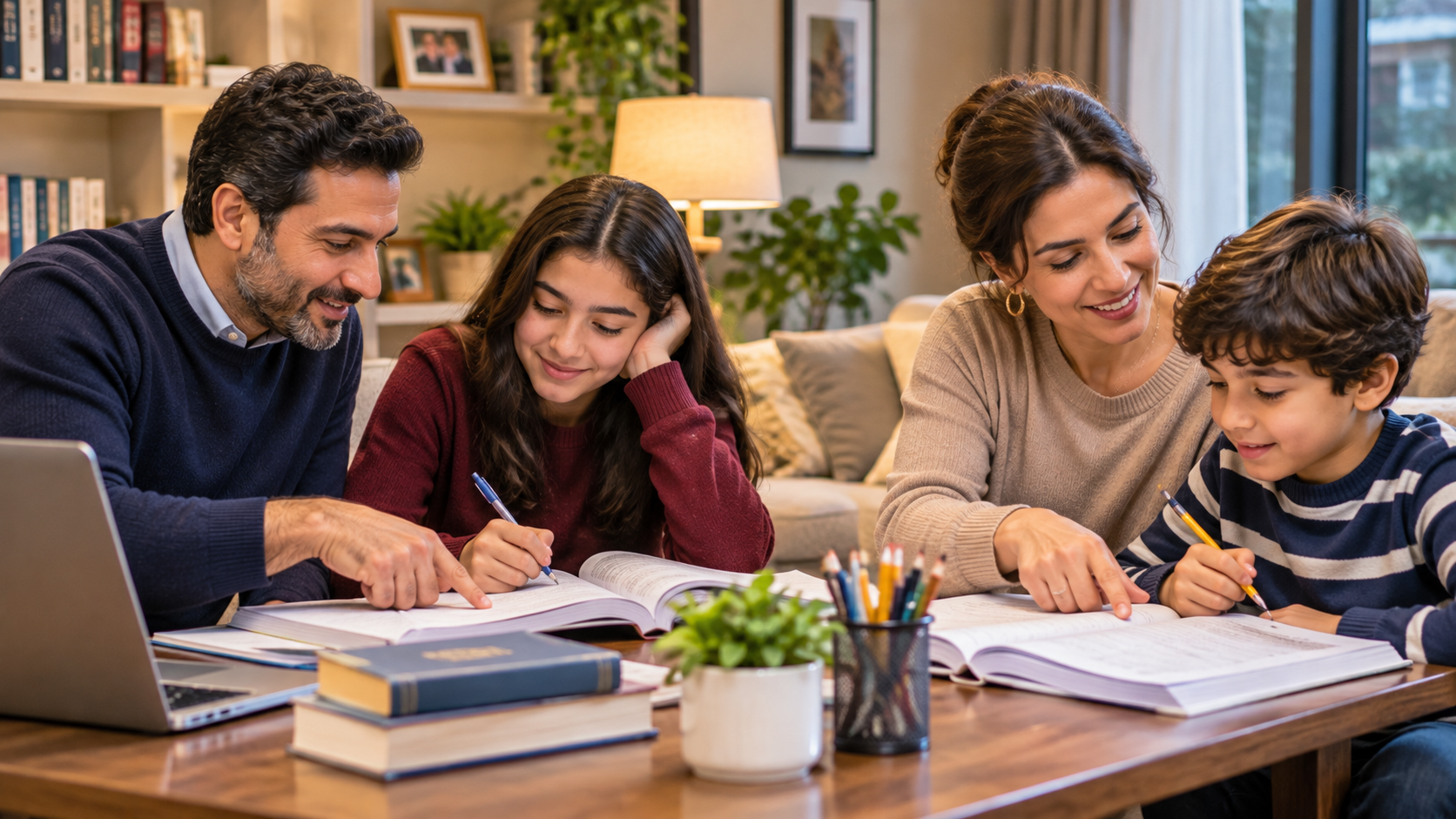
Parents helping children with thoe homework
The quiet work of mothers and wives
In most families I know, mothers and wives carry much of the work of holding a household together. They remember the birthdays, notice who is unhappy, and smooth over the quarrel before it hardens. It often goes unthanked. Families would do well to notice it, say thank you, and share the load, because a bond kept up by one person alone eventually wears that person out. Fathers, sons and daughters all have a part to play.
Build it before you need it
Nobody can build a bond in the middle of a crisis. You can only draw on what is already there. That is why ordinary days matter so much. Illness, loss, money worries and the unexpected will reach every family sooner or later. The families that come through best are not the ones with the fewest troubles. They are the ones who already know how to lean on one another.
So start small this week. Call a relative you have not spoken to in a while. Share one meal with no phones at the table. Ask a question and listen to the whole answer. These are modest acts, but they are how families stay together when the world holds its breath.
If you would like to read how one family held together through the pandemic, my novel When the World Held Its Breath is available from my Books page.
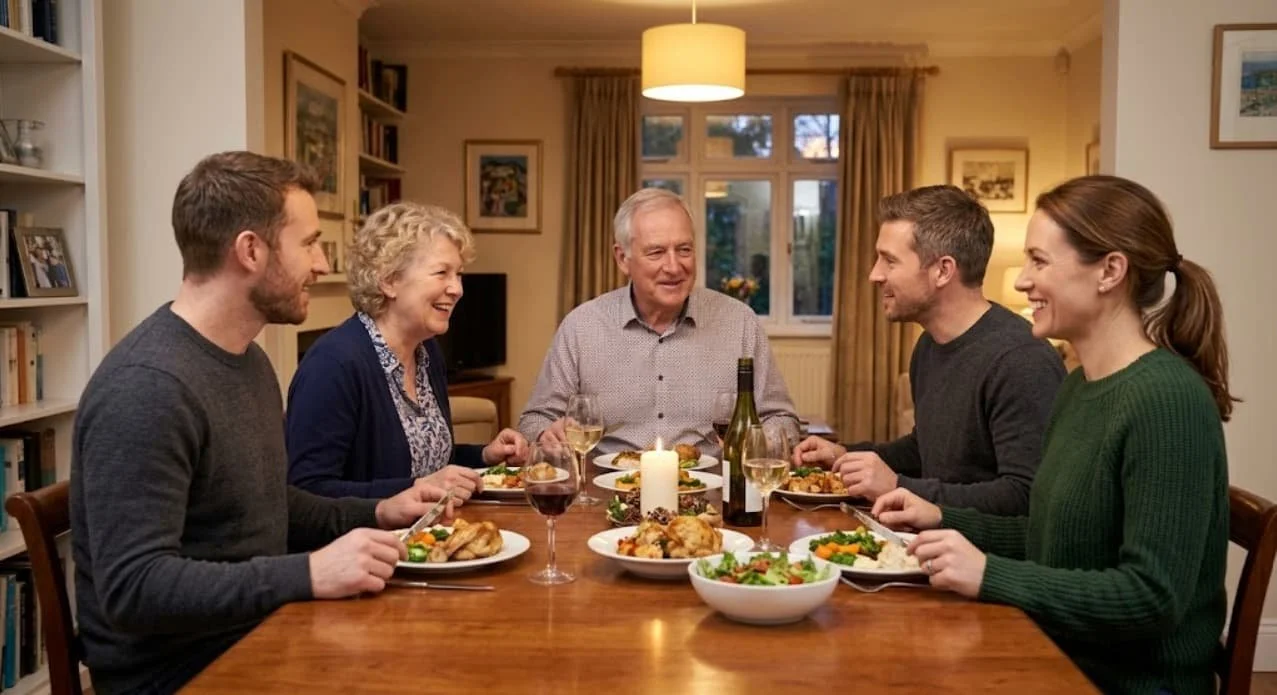
A family dinner