Image 1 of 1
Frequently Asked Questions:
Camping in the Hills
What is Camping in the Hills about?
Zainu goes camping in the green hills with his father and meets a small, sparkling frog dancing on a lily pad by a pond. The frog’s magic fills the sky with glowing lights, swirls the clouds into funny shapes, turns a gentle rain into a rainbow, and makes flowers bloom. Zainu returns home with a shiny stone as a treasure and a heart full of wonder.
What age group is this book for?
It’s written for children ages 3 to 6. It’s perfect for reading aloud, and early readers can enjoy it on their own.
Is it a good bedtime story?
Yes. With its cozy campfire scene and gentle ending, as Zainu dreams of dancing frogs and magical hills, it’s a calm, happy way to end the day. It’s also a lovely story to read aloud on a real camping trip.
Is there anything scary in the story?
No. When the sky turns dark, only a gentle rain falls, and the frog turns it into a beautiful rainbow. The whole story is cheerful and reassuring.
What can children learn from this book?
The story celebrates friendship, wonder, and the magic of the outdoors. It also shares a warm father-and-son adventure, and reminds children, in the words of Zainu’s father, that “sometimes, magic is real if you believe.”
Is this a good book to read before a family camping trip?
Yes. It shows camping as a joyful adventure: packing bags, finding a campsite, sitting by the campfire, sharing snacks and stories, and exploring the hills. It’s a great way to get young children excited about their first camping trip.
Can teachers use this book in the classroom?
Yes. Camping in the Hills works well in preschool, kindergarten, and early elementary classrooms, for circle time, a read-aloud, or lessons about nature, the outdoors, weather, and rainbows.
Classroom activity ideas:
Pretend campsite: set up a “campfire” with paper flames and let children share stories around it, just like Zainu and his father.
Cloud shapes: children look at real clouds, or cotton-ball clouds, and describe the funny shapes they see.
Make a rainbow: children color or paint a rainbow and name its colors.
Nature treasures: children bring in a special stone or leaf and share why it’s their treasure, like Zainu’s shiny stone.
Teachers interested in using the book with their class, or in arranging a school or library reading, are welcome to contact R. Suleman.
Who is Zainu?
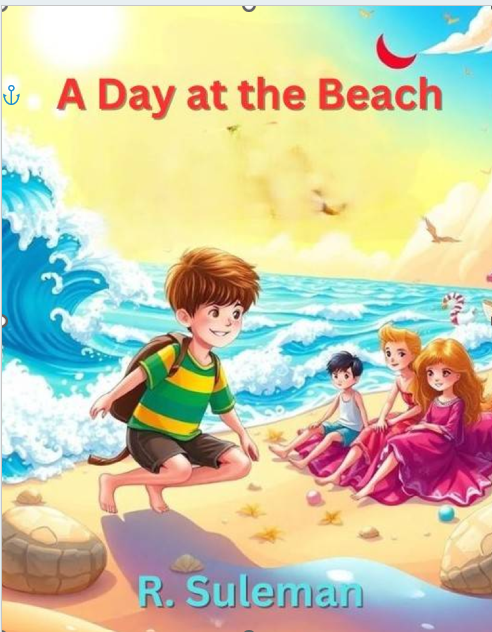
Zainu is a curious, kind-hearted young boy who loves adventure. Children can join him on more journeys in A Day at the Beach, Zainu Goes to a Lake, A Travel by Air, Facing the Dinosaurs, Sailing at Sea, and A Day at the Zoo.
Who wrote the book?
Camping in the Hills was written by R. Suleman, an award-winning author whose stories for children, teens, and adults explore courage, kindness, and hope. His storybooks began as homemade bedtime tales for his own grandchildren.
Is the book illustrated?
Yes. Every page features bright, colorful illustrations of Zainu, his father, the dancing frog, and the green hills.
What format is the book available in?
Camping in the Hills is available as an ebook, which you can buy and download instantly from this website.
How do I receive the ebook after buying it?
After checkout, you’ll receive an email with a secure download link. The link stays active for 24 hours after your first download, so save the file to your device.
Can I read the ebook on a tablet or phone?
Yes. It can be read on tablets, phones, and computers. It’s easy to bring along on a camping trip.
Are there other books for kids by R. Suleman?
Yes. Explore more picture books such as A Day at the Zoo, Dream World, A Day at the Beach, Zainu Goes to a Lake, and Sailing at Sea in the Kids Books section.
Questions to talk about after reading (for parents)
What would you pack for a camping trip?
What shapes would you like to see in the clouds?
What special treasure would you keep from an adventure?
What stories would you share around a campfire?
A gentle nature and safety reminder: in real life, it’s best to admire frogs and other wild animals where they live, without picking them up or taking them home. Always stay close to a grown-up near ponds and campfires.